Confidence in modern medicines.
The monitoring platform for modern medicines: GLP-1s, peptides and more. A patient app and a clinician portal in one connected system, so your clinic stays with every patient between visits.
Modern medicines are growing faster than the governance around them.
An estimated 2.4 million people in the UK are prescribed GLP-1s, and around 90% pay privately. Monitoring is not mandatory.
Patients are learning from influencers and fitness instructors instead of clinicians.
Sources: Health Foundation; IQVIA via LBC.
There is space for more clinician time with patients.
Documentation and administrative tasks make up about 35% of doctors’ working hours, so every task lifted off a clinician is time back for patients. Allora takes on the follow-up admin for your team: the list, the chasing and the record.
US data. Source: Medscape, 21 Oct 2026, citing the American Medical Association.
Works together with what you already use.
Keep the scribe your clinicians already use. Until direct connections are live, paste the approved note in and Allora runs the follow-up after it.




Using another system? Tell us and we’ll look at connecting it.
Track. One app for everything between visits.
Symptoms, bloods, wearables and patient information, in an app your patients join by invitation from your clinic. Patients share updates, and everything they share reaches your team.
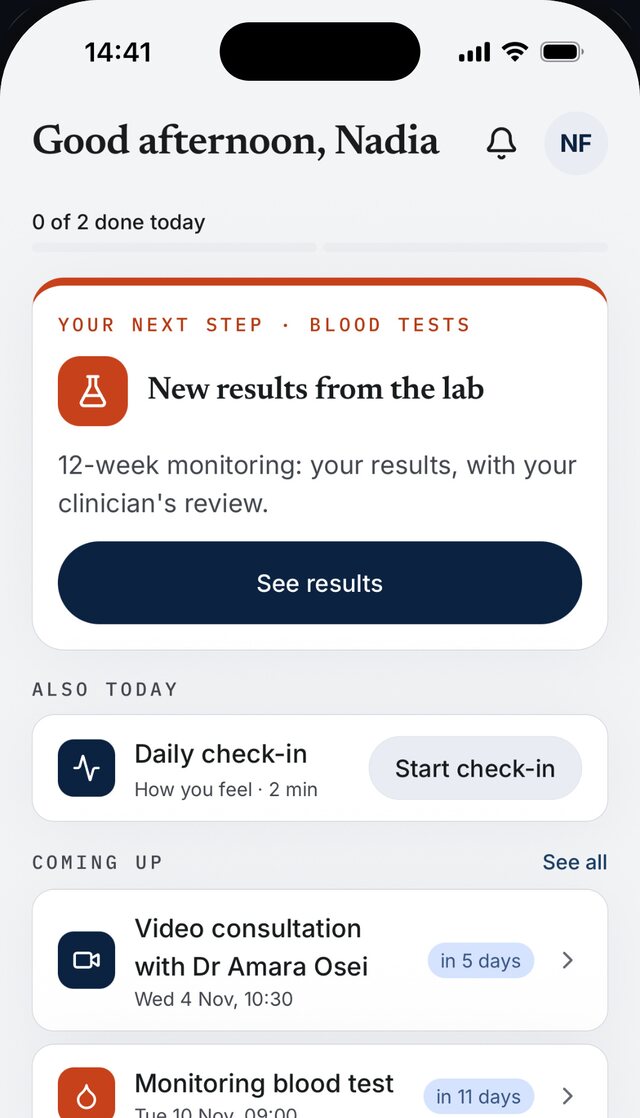
Today
One list, in order. Patients always know the next step.
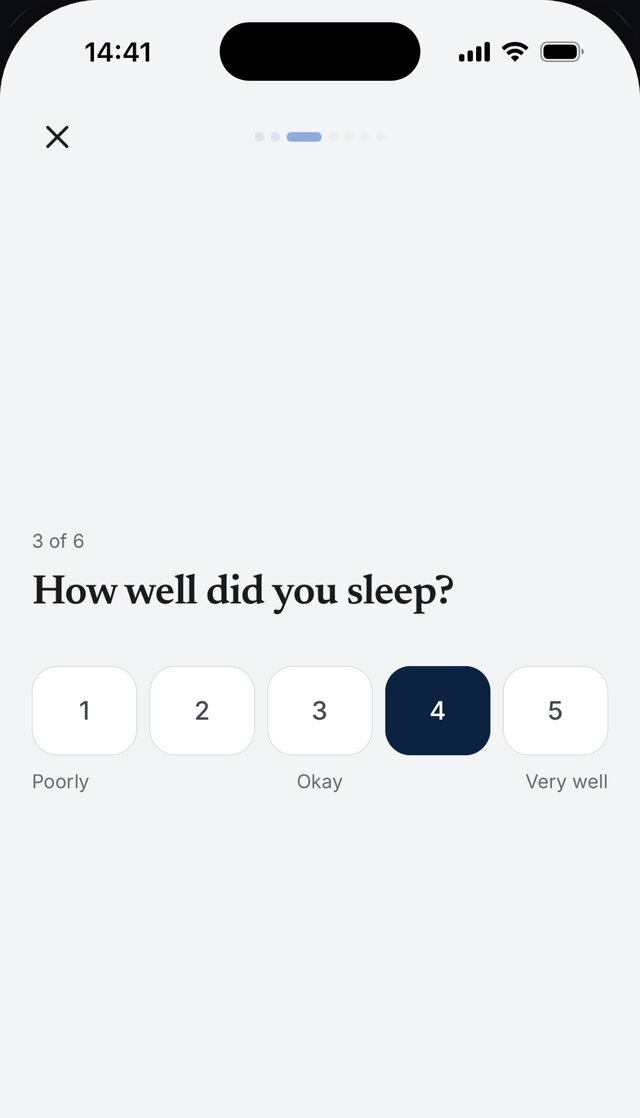
Daily check-in
How they feel, shared with your clinic in two minutes.
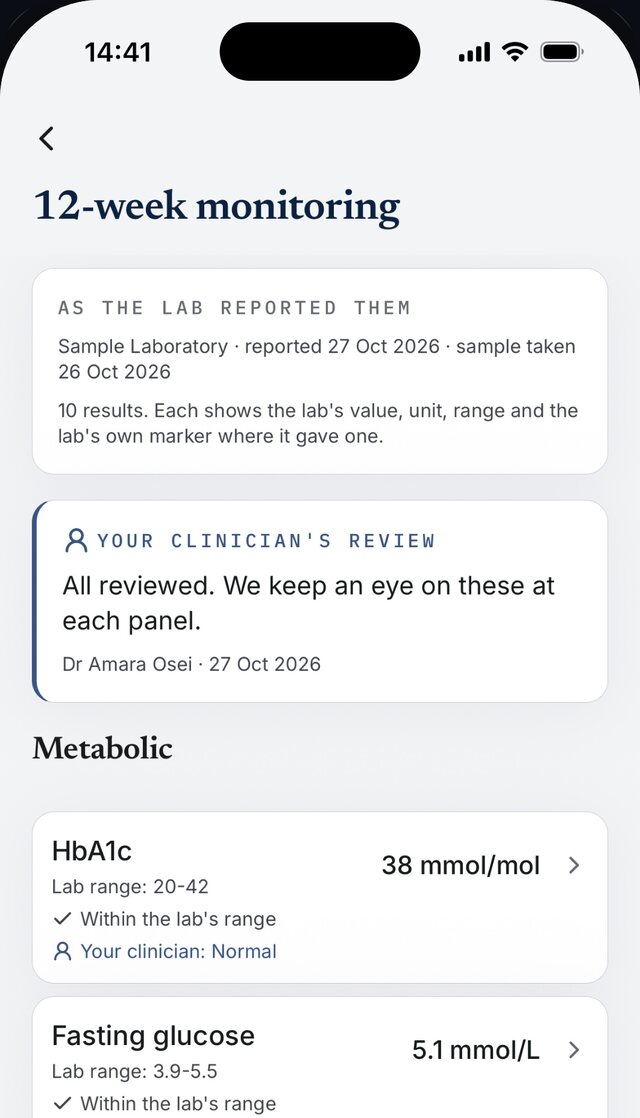
Blood results
As the lab reported them, with the clinician’s review shown separately.
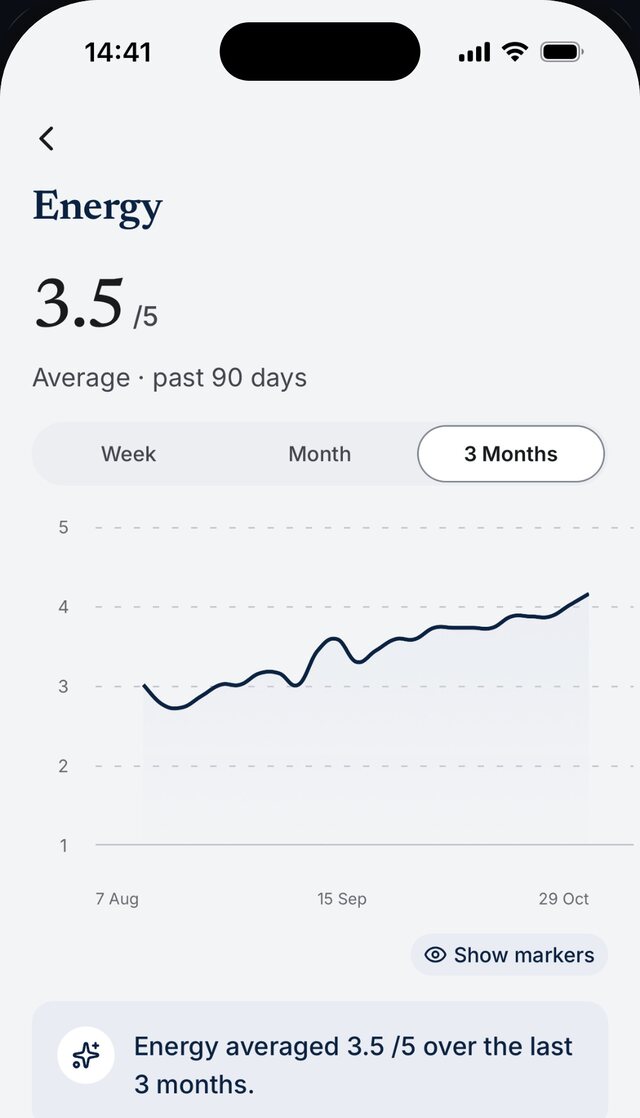
Trends
Check-ins and wearable data over time, shown as recorded.
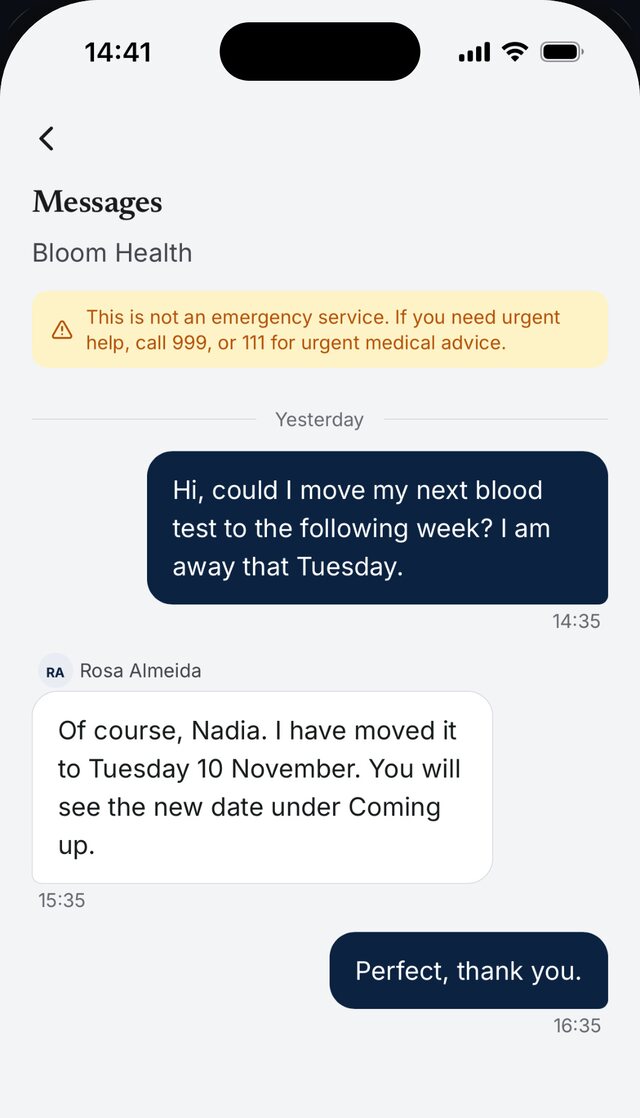
Messages
Your clinic, a message away. One thread, part of the record.
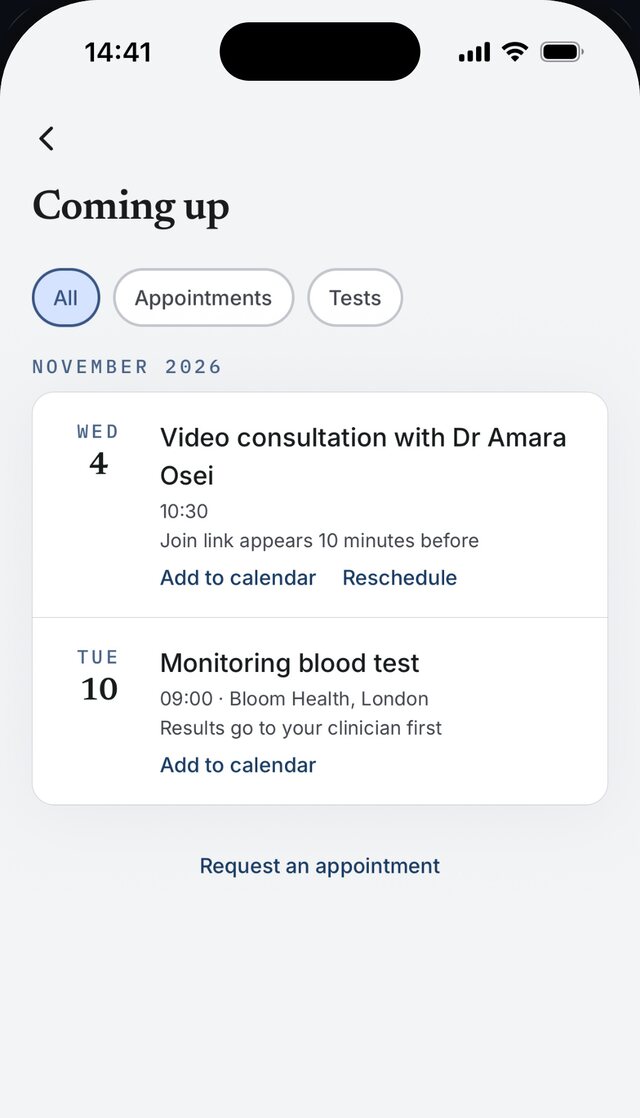
Coming up
Appointments and tests in one place, and a request is one tap away.
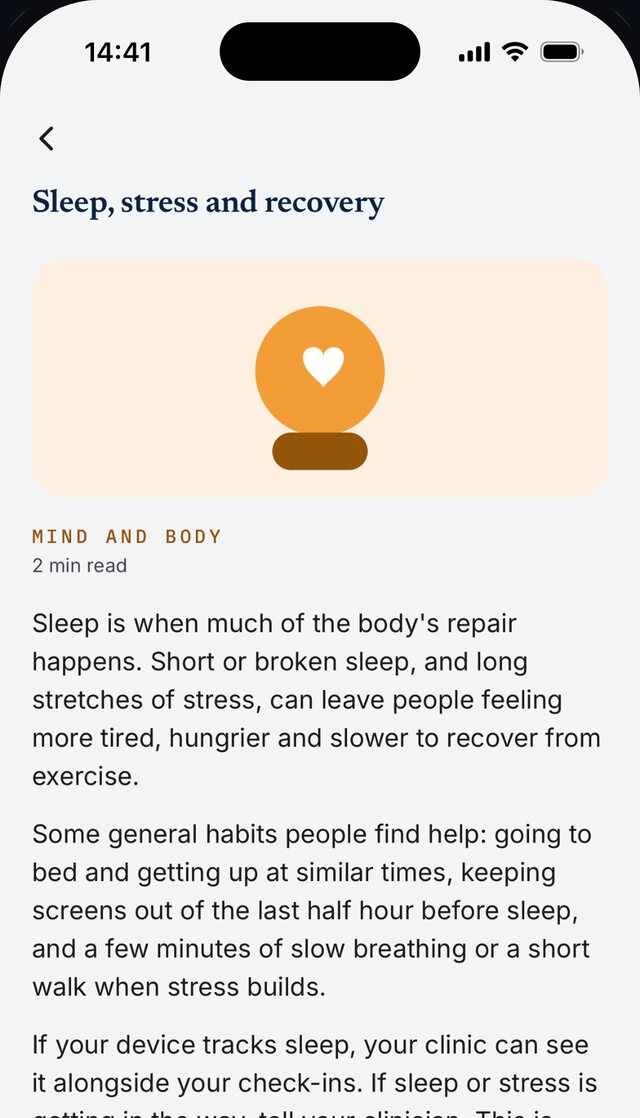
Learn
Short articles and videos about their treatment, in plain words.
 OuraApple Health
 Health Connect
 Fitbit
 Polar
 Withings
A patient connects Oura from Your data in the patient app in two taps, then Apple Health on an iPhone and Health Connect on an Android phone. The values appear in Trends in the app as recorded, and the same values appear in the patient's record in the clinician portal. The film then lists the wearables and health apps patients can connect, and ends on the line: measured by the wearable, read by the clinician.
Allora Cognition: wellbeing and behaviour support.
Daily exercises in the same app, for focus, routines and body confidence during treatment. Supports care; does not diagnose or treat.
Review. Your whole clinic, in one portal.
Telehealth, booking, messages and every patient’s record in one place. Clinicians review and follow up, and the clinician always decides.
Every patient and what is waiting on your team, A to Z. Nothing is scored or ranked.
One connected system.
Patients share updates. Clinicians review and follow up. It all sits in one record.
Why clinics choose Allora.
Everything recorded since the last review is gathered in one place, in date order, so clinicians start with the record rather than admin.
Monitoring keeps the relationship going between appointments. Patients pay the clinic, and clinical revenue stays with the clinic.
Check-ins, reminders and bookings run on schedule, so staff don’t chase every patient. Each task goes to the role you choose, so services can grow without equivalent staff growth.
Every decision signed by a clinician, every prescriber’s registration verified, every action in an audit trail, all ready for your own governance and inspections.
For clinics, pharmacy groups and GP practices.
Private clinics
Build a more credible, higher-retention service.
Pharmacy groups
Turn dispensing relationships into longitudinal care.
Private GP practices
Add new pathways without adding another administrative team.
Pharma Partners. What happens after patients start treatment.
For GLP-1 pharma partners: a clearer understanding of how medicines are used in everyday life, while clinics deliver better-supported care. How patients respond, what side effects they experience, why they stop, and which support makes a difference.
In a US study of 125,474 adults, about 65% of those without type 2 diabetes stopped GLP-1s within a year.
Source: Rodriguez et al., JAMA Network Open, 2025.
Talk to us about a partnership →What a partnership can look at
Why patients stop or switch medicines: nausea, cost, results.
Structured information on side effects, dose changes and how clinicians managed them.
Changes in weight, clinical markers and quality of life in everyday care.
Where follow-up falls away, and whether monitoring and clinician input make a difference.
Mood, focus and body image on treatment, once Allora Cognition opens.
How it works
- Clinics run follow-up on Allora.Check-ins, medication history, blood results and clinical follow-up, across participating clinics and pharmacies.
- Clinics and patients choose.A clinic switches the programme on and each patient decides whether to join. They can change their mind at any time.
- You get an answer to a specific question.For example, why patients stop GLP-1 treatment, from anonymised information.
Partners pay for consented anonymised data and education services at fair market value. Partners never influence prescribing.
Built by clinicians, with the regulatory experience to match.
Clinical, regulatory and commercial capability in-house. We took an unlicensed therapy (medical cannabis) into specialist prescribing before, and we know what a well-run specialist service needs day to day.
Dr Júlia Motta
Resident doctor. NHS Clinical Entrepreneur. Built Hx, a clinical decision-support platform, through JJB Innovations.
Dr Daniela Tonucci
Consultant in pain management, FRCA FFPMRCA, leading clinical governance for the specialist prescribing of unlicensed medicines.
Scott Maguire
CEO and co-founder, Wellford Holdings. 35 years building and managing early-stage life sciences and healthcare companies to IPO and trade sale in the US and UK. MBA in finance, BA in biochemistry.
Dr Daryl Rees
Clinical pharmacologist, Salupont Consulting. Structured Wellford’s regulatory model across the supply chain.
Marcello Mondini
Senior finance executive, with over a decade leading finance for a multi-billion pound European pharmaceutical wholesale business as chairman and board member in several countries. Former CFO of Unieuro, leading its turnaround and sale. Executive MBA, IMD.
Daniel Holler
Former technical lead at Kalia Lab, scaling the technology and operations of an aesthetics clinic group from 2 to 7 clinics in 18 months. Studied at the University of Edinburgh’s School of Informatics.
Frequently asked questions
No. The clinician always decides. Allora schedules, collects, chases and organises, and shows information exactly as it was recorded. Your clinicians set the plan, review the record and make every decision. Allora is not monitored in real time: patients are told to call NHS 111, or 999 in an emergency, for anything urgent.
No. Allora does not supply medicines and never sells them to the public. Your clinicians prescribe and registered pharmacies dispense. Allora is the software your team runs that service on.
You hold your own CQC registration. Allora gives you the records behind it: a full audit trail, clinician sign-off on every decision, role-based access for your staff and subject access exports.
Clinics license Allora, plus onboarding. Patients pay the clinic, and clinical revenue stays with the clinic. Book a demo and we will take you through it.
Your scribe, such as Heidi, Tandem or TORTUS, by pasting the approved note into the patient’s record, with direct connections coming soon. Your practice system, by exporting a patient’s record as a file. Your lab, by uploading its PDF unchanged. And your patients’ wearables and health apps, in the patient app.
No. Keep the scribe you use. The clinician approves the note there, it goes in the patient’s record, and Allora runs the follow-up after it.
No. Allora sits alongside the systems you already use and takes on the follow-up work between appointments, and it exports to your practice system: you can export a patient’s record as a file.
Not today. Allora schedules, organises and shows information as it was recorded, and your clinicians interpret it. Regulated clinical features are coming soon.
You do. Your clinic is the data controller for its patients’ records and Allora processes them on your behalf, under a data agreement with your organisation. Hosted in the UK, with subject access exports built in.
Only if your clinic switches it on and the patient chooses to take part. Partners receive anonymised information, never names, contact details or records, and they have no say in anyone’s treatment. These partnerships are still in development and nothing has been shared.
No. Patients join by invitation from their provider. Every patient on the platform belongs to a clinic, pharmacy or practice.
Join the waitlist for early access, and we’ll be in touch as they’re ready.
Book a demo. We configure the pathways your team delivers, set up your roles and scope of practice, and onboard your first patients with you.
Modern medicines, monitored.
Tell us about the service you run, or want to run, and we'll walk you through the patient app and the clinician portal.